


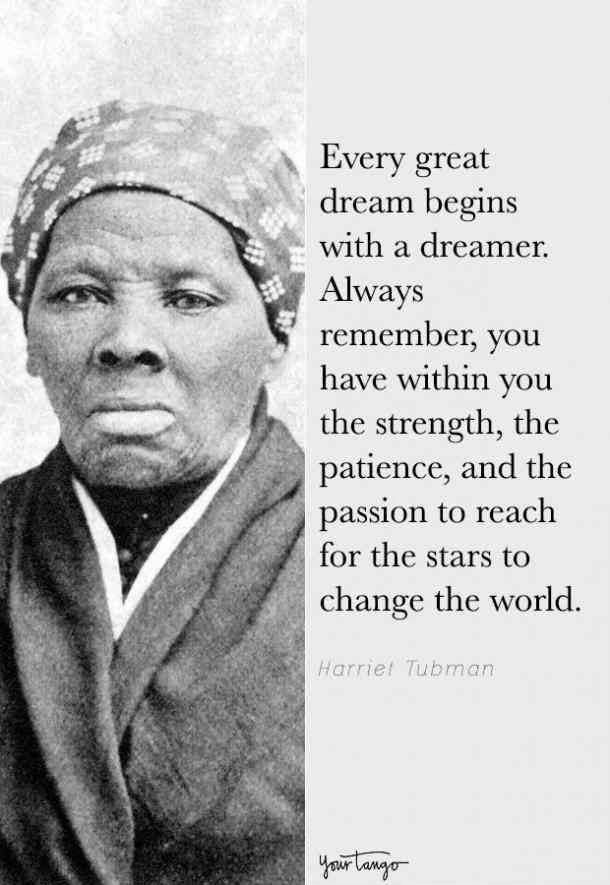
Every great dream begins with a dreamer.
Always remember, you have within you the strength, the patience,
and the passion to reach for the stars to change the world.
Harriet Tubman
Dreams are most vibrant when imagination is free to roam. As a child, there was little that limited my dreams. I may have spent my waking hours using a wheelchair to get around, but at night I was strong, dreamt in color, and often flew. It was always fun to see the world from above.
This imagination and my ability to dream would become important assets in my life. Before I turned ten, I would leave home to attend a boarding school for five years. My parents considered several options and ultimately decided on a boarding school located outside of Charlottesville, Virginia, called Bloomfield. It was owned and managed by the Episcopal Church.
I would learn later in my life why their search for the best place was so important. It was the 1960s, and there were few boarding schools designed for disabled children. Most families resorted to overcrowded institutions. Institutions designed to house disabled children and adults. Institutions that had few resources to offer care and compassion.
Bloomfield was home to 45 children, providing education, personal care, and activities on-site and away. It was situated on a large piece of land that had once been a plantation. Entering the property through a rod iron gateway, a winding gravel road led you to the front of an old two-story Antebellum house with long black shutters.
An addition was built beside this house to accommodate the children’s bedrooms. Along with these rooms were accessible bathrooms and living quarters for the caregivers. The primary house was filled with libraries, sitting rooms (one of which was converted into a chapel), a banquet hall (used as our dining room), and a huge stairwell that led upstairs to a private space for “those in charge”. It was a creaky house with a long back porch that spread from one end of the house to the other. There were several fields and wooded areas, which we imagined to be the custodians of many stories, both fun and scary.
Bloomfield was managed by two deaconesses (who dressed like nuns) and an Episcopal priest. Each of the deaconesses had a different job. Deaconess Campbell was in charge of the overall administration. She had the BIG office by the front door of the main house. Going to see her was like going to see the principal.
Deaconess Anne was in charge of the school. She supervised other teachers who came from their homes each day to teach. Deaconess Anne also taught classes.
There were plenty of moments filled with the ache of missing Home. Sad and strained, I missed my family. Even so, routine became familiar after a while, which brought comfort. After all, we were kids making the best of the world we had to live in.
In a huge house with creaky stairs and libraries filled with old books and paintings, our imaginations were encouraged. After school, Deaconess Ann would often gather us to play board games or other activities that moved us throughout the house and the grounds.
One of the most popular games was called ‘Harriet Tubman’.
As a child, I had little reference for this name. No stories were told about who Harriet Tubman was and why her name should be known. All I knew was that when we heard it, we knew it was time to play hide and seek. To do this, we would head down to the dark, damp basement under the house. There were several horse stalls, and rooms designed for blacksmithing were in that basement. Some other rooms had no obvious history but were perfect for hiding.
We would go down into this basement to play ‘Harriet Tubman’. We would hide in stalls built for horses and in the rooms set up for art class and music. We would search out in any corner or slink behind any door we could find.
Once we were in place, Deaconess Anne would walk through the halls calling out to us with a loud voice. She carried a large stick and used it to bang against the side of the doors and walls. The stick sounded especially loud when it hit the metal doors on the horse stalls. No matter how hard I tried to be quiet, that hard, loud sound would always make me jump, which would rattle some part of my wheelchair.
I would always be discovered and have to follow single file behind Deaconess Anne while she continued her search. She carried the big stick until the end of the game.
This was our game of hide and seek.
Years would pass before I realized exactly what we were doing. How could we have made a game of hide and seek out of capturing freedom-bound slaves? Many things about my time at Bloomfield are deep in the pages of my life, but this particular activity has always stayed close and clear. I can still see that small group of children, diverse and creative, quietly following the leader of this game as if we were in trouble.
I would learn that Harriet Tubman was a woman of strength and courage. Her story was filled with examples of risk as she helped move slaves to freedom. From the south to the north, she engineered a path known to be the Underground Railroad. Harriett risked her life over and over again to secure freedom for so many people. Returning and persevering was the goal. I would learn that she was just the type of woman I would want to emulate.
A dreamer who believed the world could be changed for the better.
This game was part of a larger lesson for me as I survived and worked to thrive in those five years away from home. A sense of independence was being nurtured.
One that would be the foundation for my future.
This is beautiful.
Carrie, thanks so much for sharing this chapter of your life. Continued blessings.